
BLUE TOAD INGREDIENTS
EUPHORICS
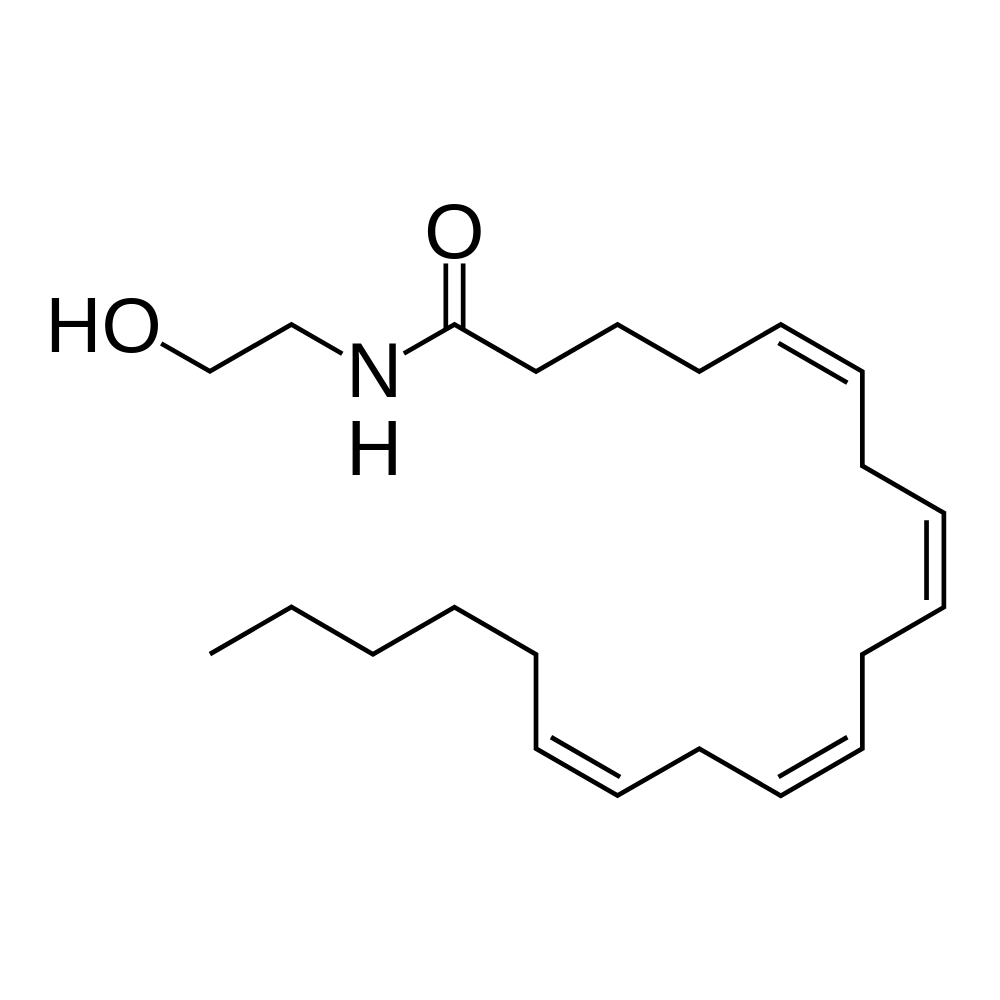
Anandamide (AEA)
Anandamide (AEA), is a fatty acid neurotransmitter (ie: chocolate) that was the first endo-cannabinoid to be discovered by Raphael Mechoulam in 1992 – AEA participates in the body’s endocannabinoid system by binding to cannabinoid CB1/CB2, etc. receptors. Also know as “Runners High” during exercise.
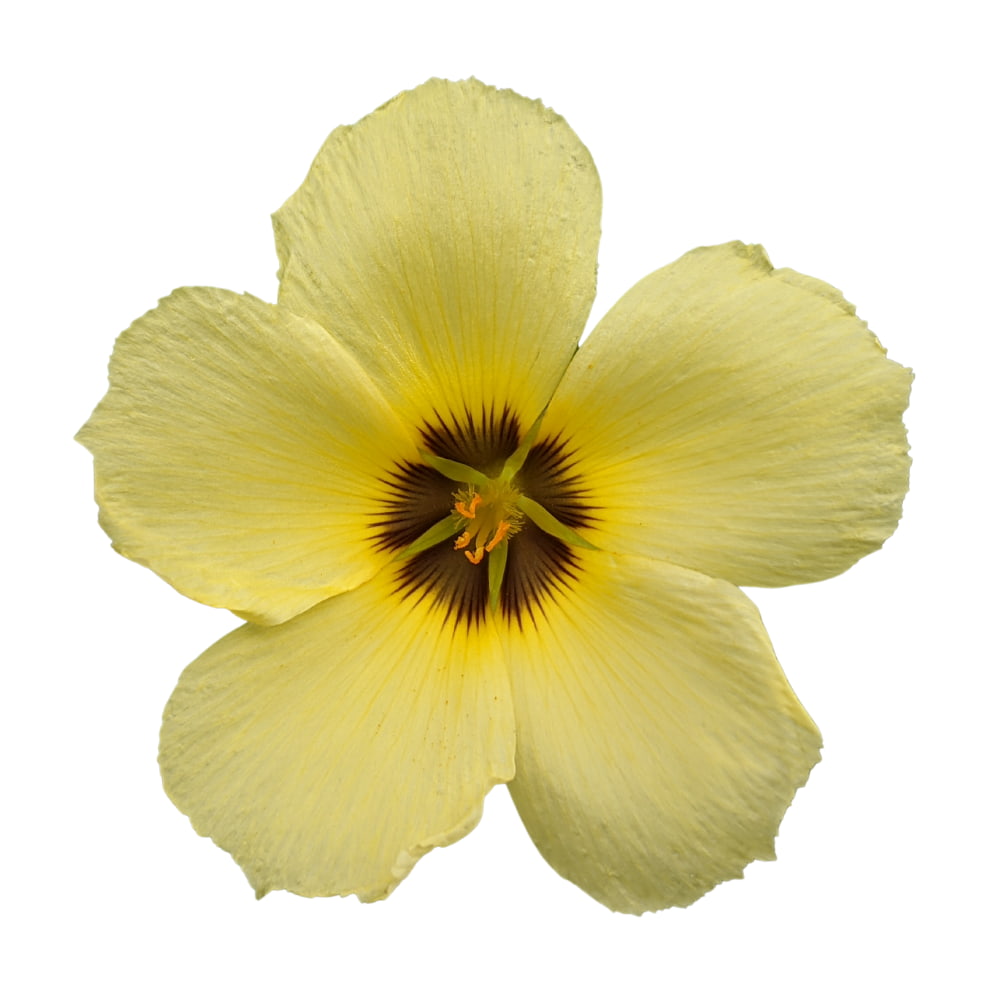
Damiana
Turnera diffusa, known as damiana, is a shrub native to southern Texas in the United States, Central America, Mexico, South America, and the Caribbean. It belongs to the family Passifloraceae. Damiana is a relatively small, woody shrub that produces small, aromatic flowers.
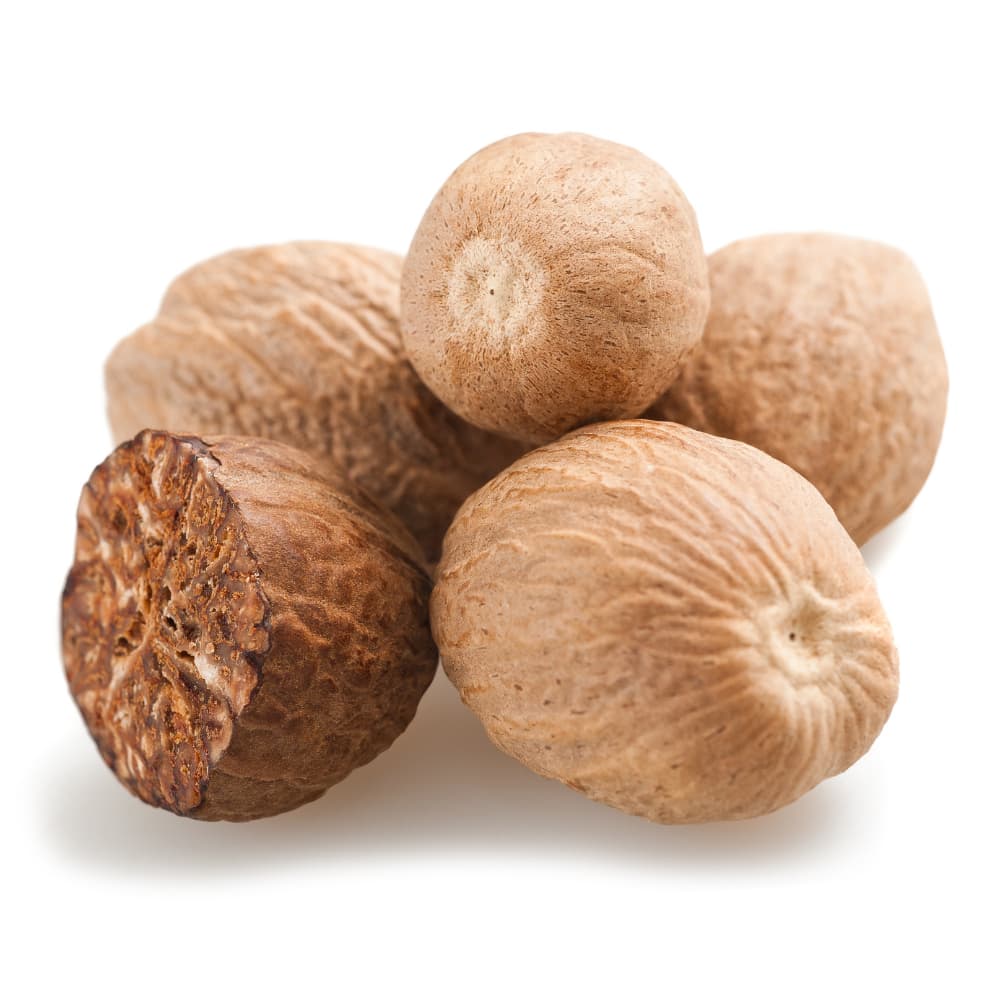
Nutmeg
Nutmeg, also known as Myristica fragrans, is a common cooking spice known for its warm flavor and sweet taste. The chemical responsible for the “high” caused by nutmeg is known as myristicin – a naturally occurring compound found in common herbs and spices.
PRE/PROBIOTICS & YEAST
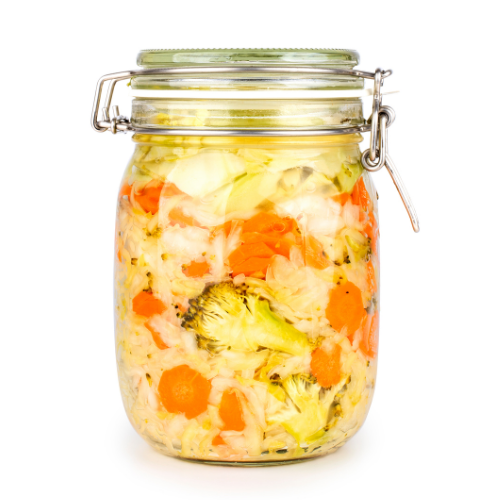
Fermentation
Utilized for thousands of years fermentation in food processing is the process of converting carbs to alcohol or organic acids using yeasts or bacteria. Fermentation has many health benefits and is used in the production alcohol, bread, yogurt, sauerkraut, apple cider vinegar and kombucha.
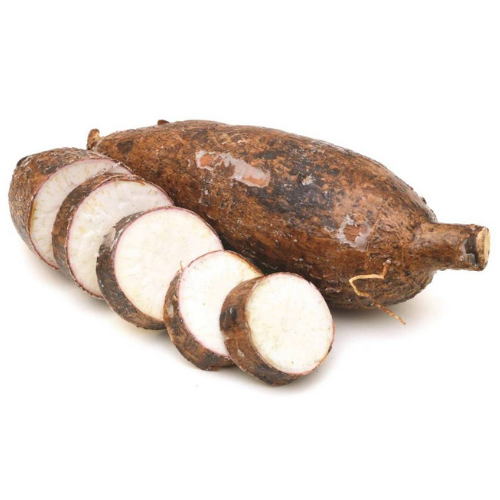
Prebiotic Fiber
Prebiotic fibers (Casava Root, Chickory, etc.) are compounds in food that induce the growth or activity of beneficial microorganisms such as bacteria and fungi. The most common example is in the gastrointestinal tract, where prebiotics can alter the composition of the gut microbiome.
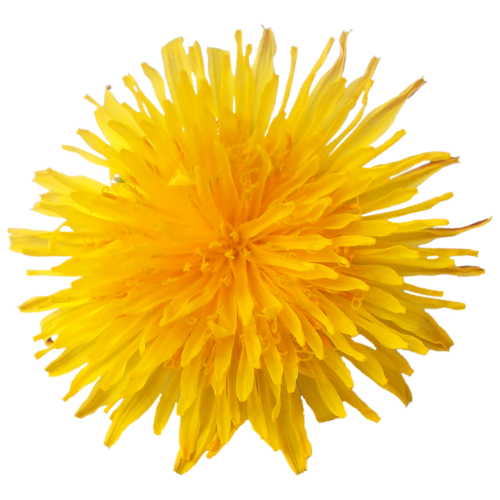
Prebiotic Foods
- Dandelion Greens
- Jerusalem Artichoke
- Yacon Root
- Asparagus
- Bananas
- Oats & Barley
- Konjac Root/ Yam
- Apples
- Cacao Fruit
- Flax Seeds
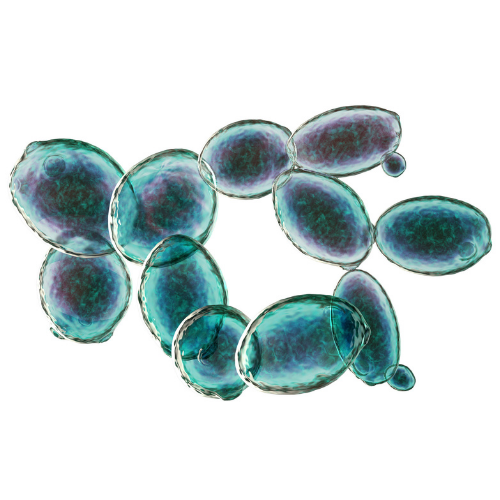
Probiotics
Probiotics/ microorganisms provide health benefits when consumed via food or supplements & generally improve or restore the gut flora or balance. We have trillions of microbes on & within our body (Bacteria, Fungi/ Yeasts, Viruses, Protozoa) at any given time (both good & bad).
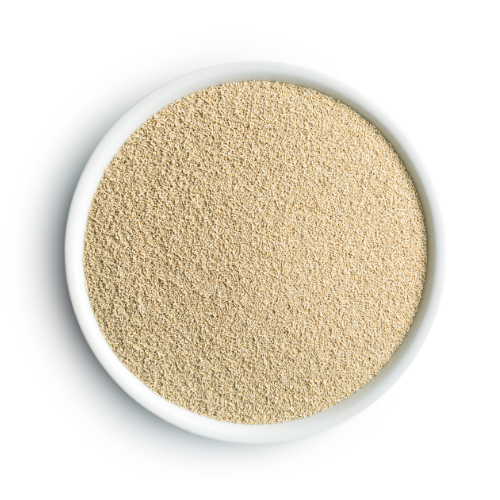
Yeast
Yeasts are eukaryotic, single-celled micro-organisms classified as members of the fungus kingdom. The first yeast originated hundreds of millions of years ago, and at least 1,500 species are currently recognized. They are estimated to constitute 1% of all described fungal species.
ADAPTOGENS
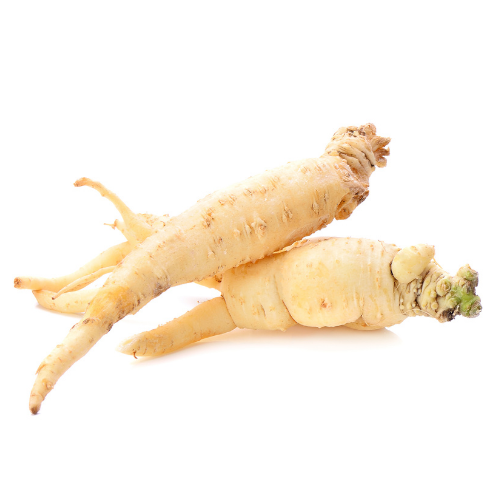
American Ginseng
American ginseng is a herbaceous perennial plant in the ivy family, commonly used as an herb in traditional medicine, including traditional Chinese Medicine. It is native to eastern North America. Benefits include reduction of inflamation, supports brain function, boosts immunity, etc.
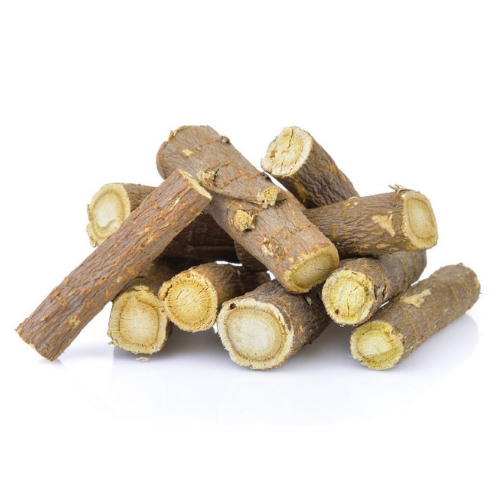
Ashwagandha Root
Utilized for thousands of years in Ayurvedic medicine, ashwagandha has been used to support the immune system, stress and prevent fatigue. Ashwagandha is a small evergreen shrub that grows in India, the Middle East, and parts of Africa & used to make traditional Ayurvedic medicine.
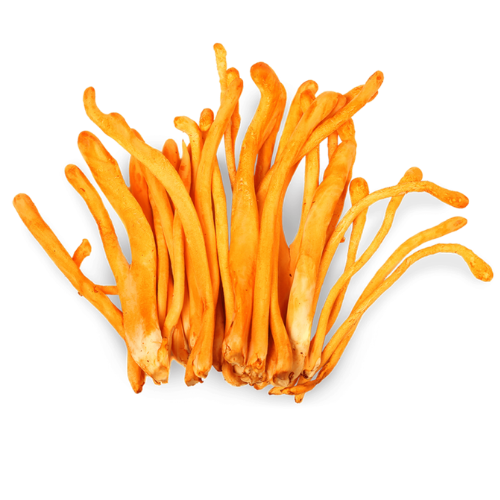
Cordyceps
Cordyceps militaris is a species of fungus in the family Cordycipitaceae, and is a entomopathogenic fungus, meaning it parasitizes insects. Cordyceps potential health benefits are promising and include anti-aging, anti-tumor, managing type 2 diabetes, heart health, & more.
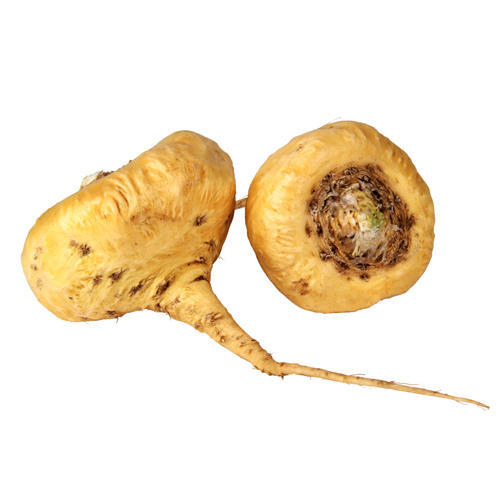
Maca Root
Maca or Peruvian Ginseng, is an edible herbaceous biennial plant of the family Brassicaceae that is native to South America in the high Andes mountains of Peru. Aside from its culinary uses, maca may also have several health benefits like supporting male libido, energy, endurance, fertility, mood, etc.
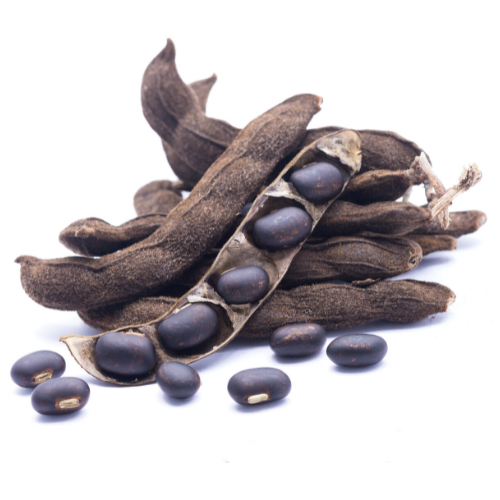
Mucuna Pruriens
Mucuna pruriens is a tropical legume native to Africa and tropical Asia and widely naturalized and cultivated. It has long been used in traditional Ayurvedic Indian medicine in an attempt to treat diseases including Parkinson’s disease due to its extremely high content of L-dopa.
NOOTROPICS
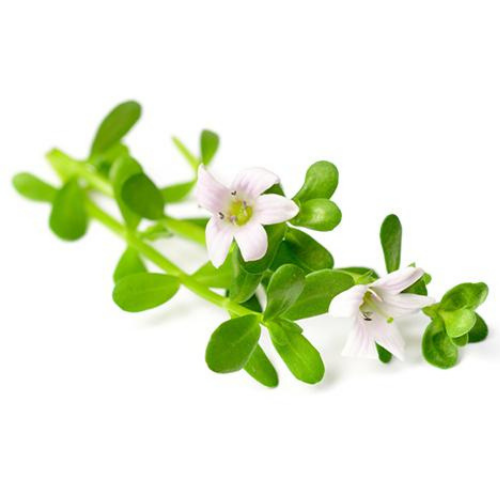
Bacopa Monnieri
Bacopa Monnieri is a perennial, creeping herb native to the wetlands of India. Bacopa monnieri has been used by Ayurvedic medical practitioners for centuries for a variety of purposes, including inflamation, improving memory, reducing anxiety, and treating epilepsy.
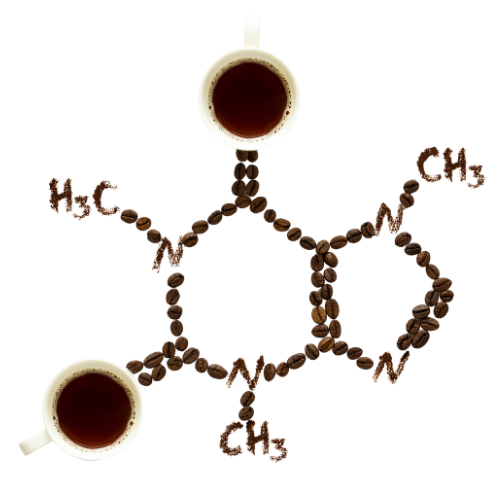
Caffeine
Caffeine is the most widely consumed psychoactive substance in the world! It’s found in coffee, cocoa, tea, kola nuts, guarana/mate & added to sodas, energy drinks & functional foods. It works by blocking adenosine receptors in your brain, making you feel less tired.
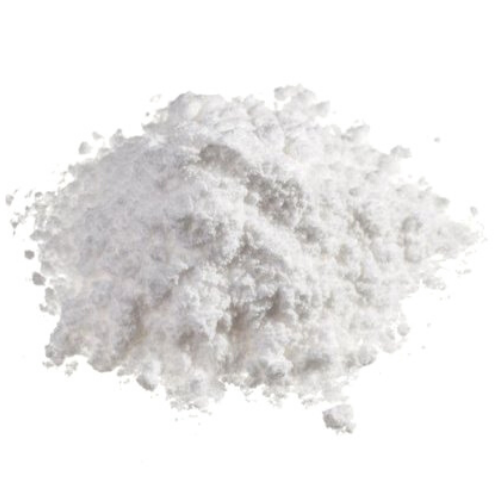
Citicoline
Citicoline is a brain chemical that occurs naturally in the body. In Japan and Europe, Citicoline was originally used as a prescription drug to help improve memory, thinking, and brain function in people who are healing from a stroke or suffering from dementia.

L-Theanine
L-theanine is a naturally occurring amino acid found in green tea -extracts – studies have shown that taking 200 mg of L-theanine has a calming effect, without causing drowsiness. It has been found to increase alpha-waves in the brain, which are linked to creativity.
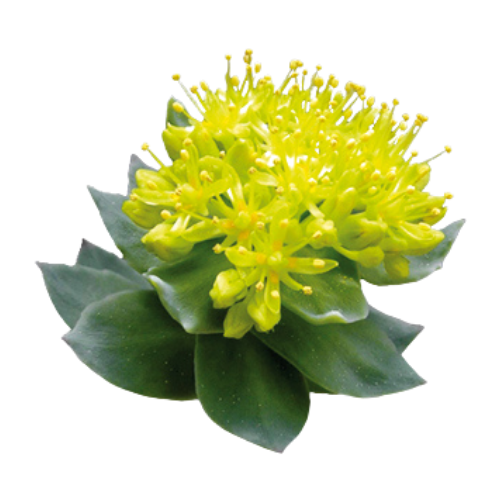
Rhodiola Rosea
Rhodiola rosea is a perennial flowering plant in the family Crassulaceae. It grows naturally in wild Arctic regions of Europe, Asia, and North America. Medicinal uses include stress management, fighing fatigue, mood disorders, brain function, diabetes, etc.
PLANT PROTEINS
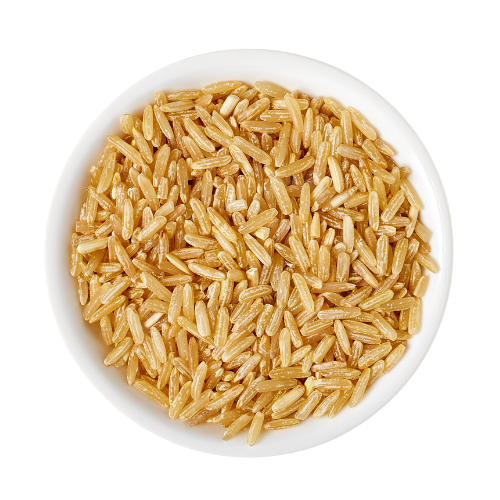
Brown Rice Protein
Brown rice (protein) is rice with the inedible outer hull removed, but with the germ and outer layer intact. It’s produced through a process that separates the carbs from the protein to extract all the good stuff – namely, the plant-based protein, aminos, & other very important nutrients!
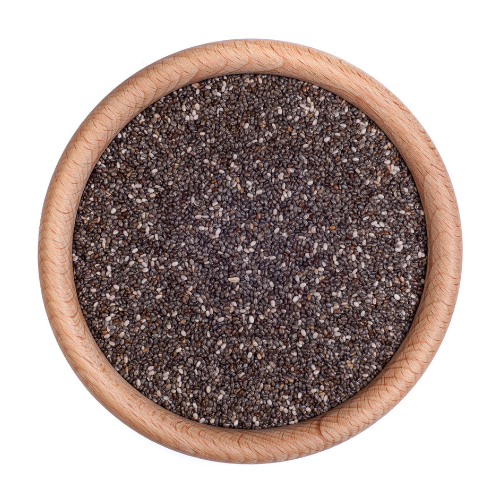
Chia Seed Protein
Chia seeds are the edible seeds of Salvia hispanica, a flowering plant in the mint family native to central and southern Mexico. Chia seeds are full of important nutrients. They are an excellent source of omega-3 fatty acids, rich in antioxidants, and they provide fiber, iron & calcium.
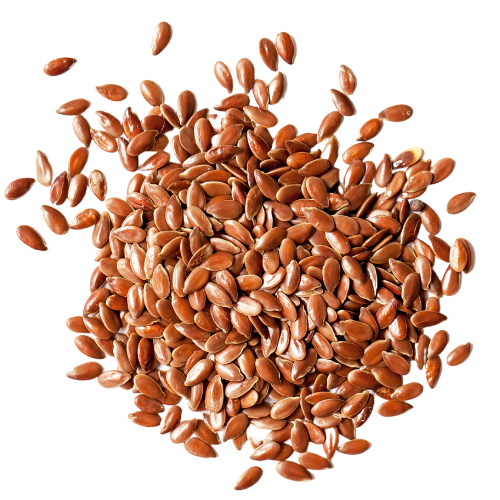
Flax Seed Protein
Flax, also known as linseed, is a flowering plant in the family Linaceae. Flax seeds are loaded with high-quality protein and many nutrients including omega-3 fats, lignans, dietary fiber which is shown to support the lowering of cholesterol & blood pressure.

Hemp Seed Protein
Hemp protein comes from the cannabis sativa plant seeds & is an excellent source of plant-based protein (it doesn’t contain any THC!) The human body needs 22 amino acids and hemp has all 22 along with the perfect balance of omega 3/6/9 oils. Hemp is a healthy & sustainable food.
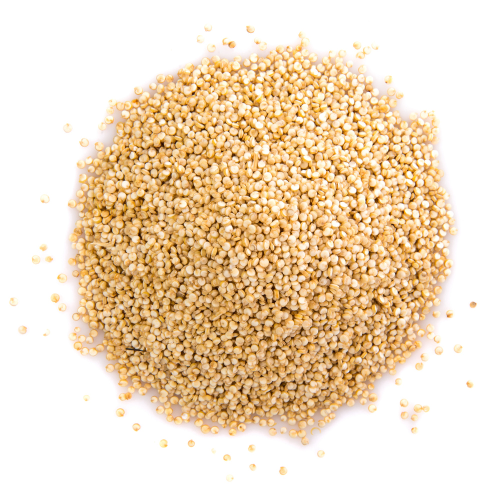
Quinoa Protein
Quinoa is a flowering plant in the amaranth family. It is a herbaceous annual plant grown as a crop primarily for its nutritious edible seeds; the seeds are rich in protein, dietary fiber, B vitamins, and dietary minerals in amounts greater than in many grains. Quinoa is delicious!
BOTANICALS & HERBS
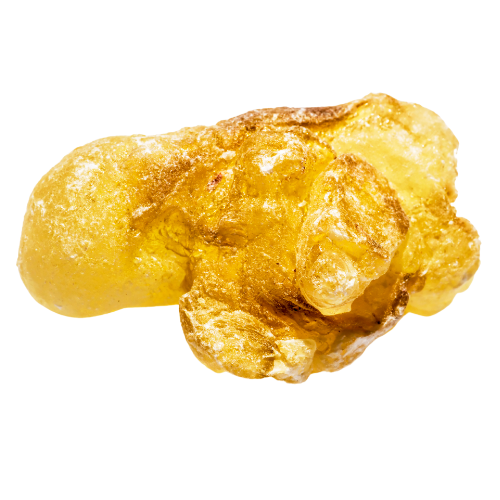
Boswellia
Boswellia serrata is a tree prevalent in India, the Middle East and North Africa. The resin obtained by peeling away the bark is commonly known as frankincense or olibanum. Boswellia is used widely in Ayurveda for treating arthritis, ulcerative colitis, coughs, sores, wound healing, and asthma.
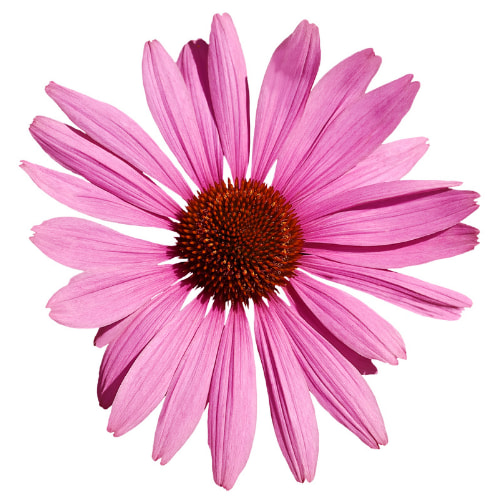
Echinacea
Echinacea is a genus of herbaceous flowering plants in the daisy family. It has ten species, which are commonly called purple coneflowers. Native Americans have used it for centuries to treat various ailments like colds, pain, inflammation, migraines and many other related health issues.
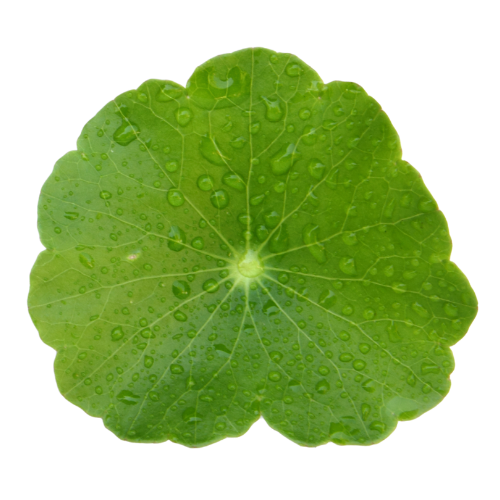
Gotu Kola
Known as the “herb of longevity,” gotu kola is a staple in traditional Chinese, Indonesian, and Ayurvedic medicine. Practitioners claim the medicinal plant has the power to boost brainpower, heal skin issues, and promote liver and kidney health — and studies seem to agree.
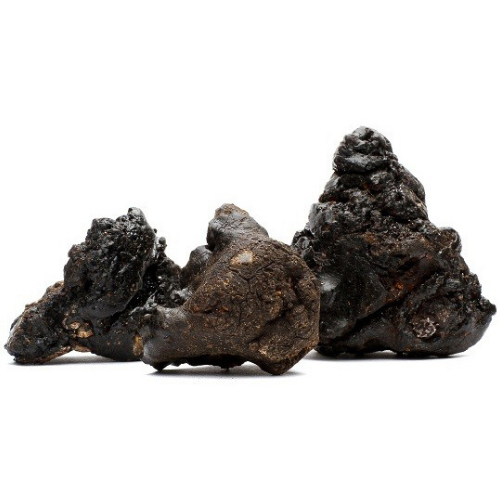
Shilajit
Shilajit is a sticky substance found primarily in the rocks of the Himalayan mountains. It develops over centuries from the slow decomposition of plants and is commonly used in ayurvedic medicine to treat low testosterone, fatigue, infertility, heart health, inflammation, etc.
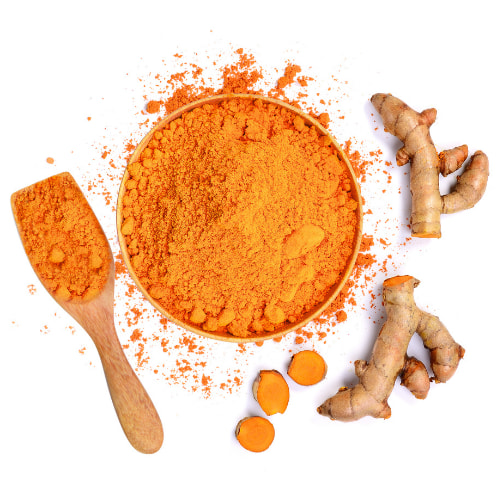
Turmeric Root
Turmeric is a common spice that comes from the root of Curcuma longa. Turmeric has a warm, bitter taste and is frequently used to flavor or color curry powders. It contains a chemical called curcumin that it is used to treat conditions that involve pain and inflammation.
HERBAL APHRODISIACS
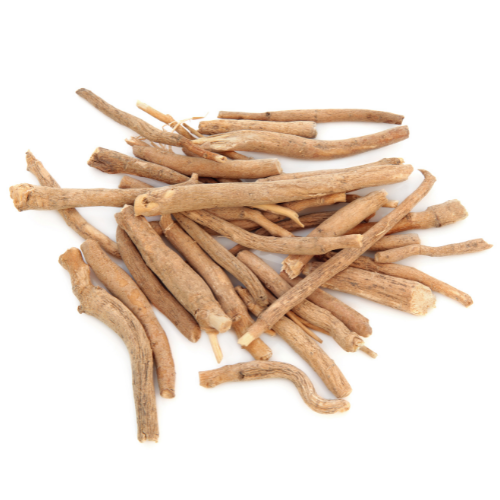
Panax Ginseng
Panax ginseng belongs to the Aralaceae family & has enjoyed a reputation as one of the finest aphrodisiacs in the world. As the neurotransmitter inducing penile erection, NO (Nitric Oxide) release was shown to be enhanced by ginseng & often used in Traditional Chinese Medicine.
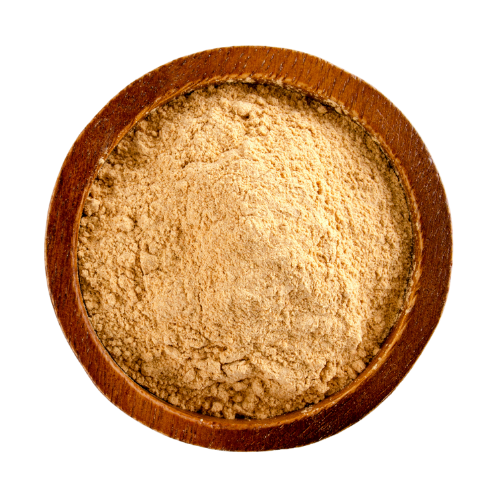
Red Maca
The maca plant, known scientifically as Lepidium meyenii, is sometimes referred to as Peruvian ginseng. It mainly grows in the Andes of central Peru, in harsh conditions and at very high altitudes & has traditionally been used to enhance fertility and sex drive in both men & woman.
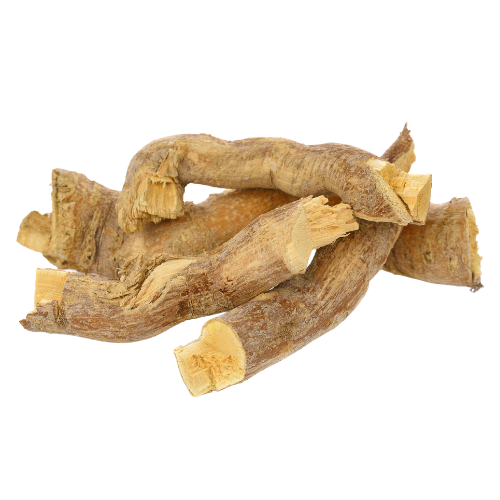
Tongkat Ali
Eurycoma longifolia is a flowering plant in the family Simaroubaceae. It is native to Indochina and Indonesia, but has also been found in the Philippines. Tongkat ali roots have been used for centuries as an aphrodisiac for loss of M/F sexual desire & male impotence.
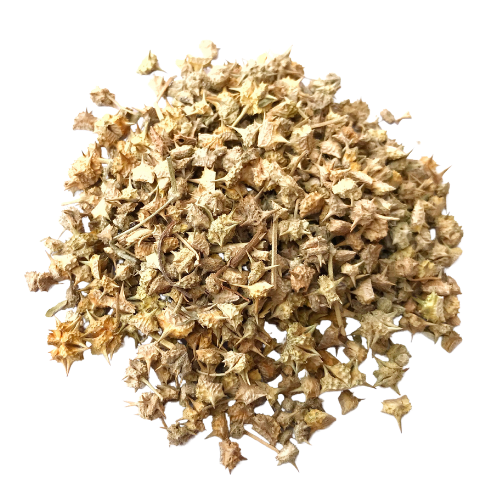
Tribulus Terrestris
Tribulus terrestris is a flowering plant that is native to warm temperate & tropical regions of the world. It is known to improve libido & spermatogenesis, as well as increasing levels of testosterone & causing a marked increase in sexual behavior & proerectile effects in males.
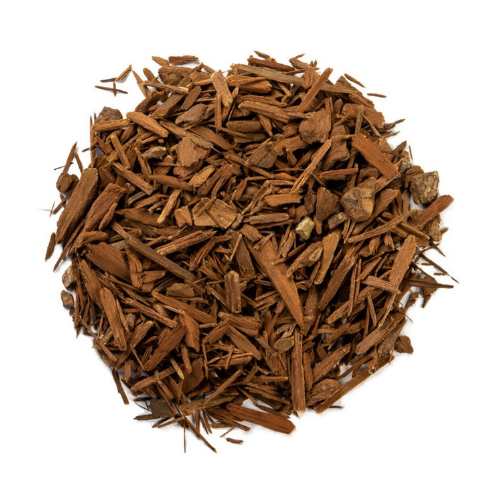
Yohimbe Bark
Yohimbe is an evergreen tree native to central and Western Africa. It has a compound called yohimbine in its bark. Bark has been used traditionally as an aphrodisiac and to enhance sexual performance. Yohimbe is promoted for erectile dysfunction, blood flow & much more.
Subscribe to our email list
Get the latest offers and wellness news.